


 |


| Quantity: | |
|---|---|
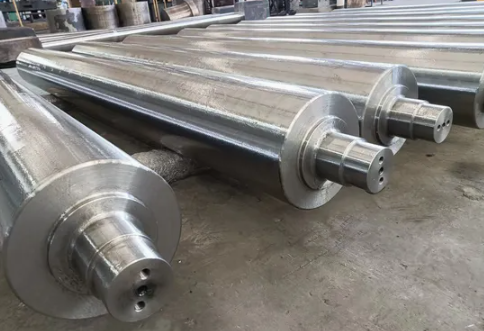
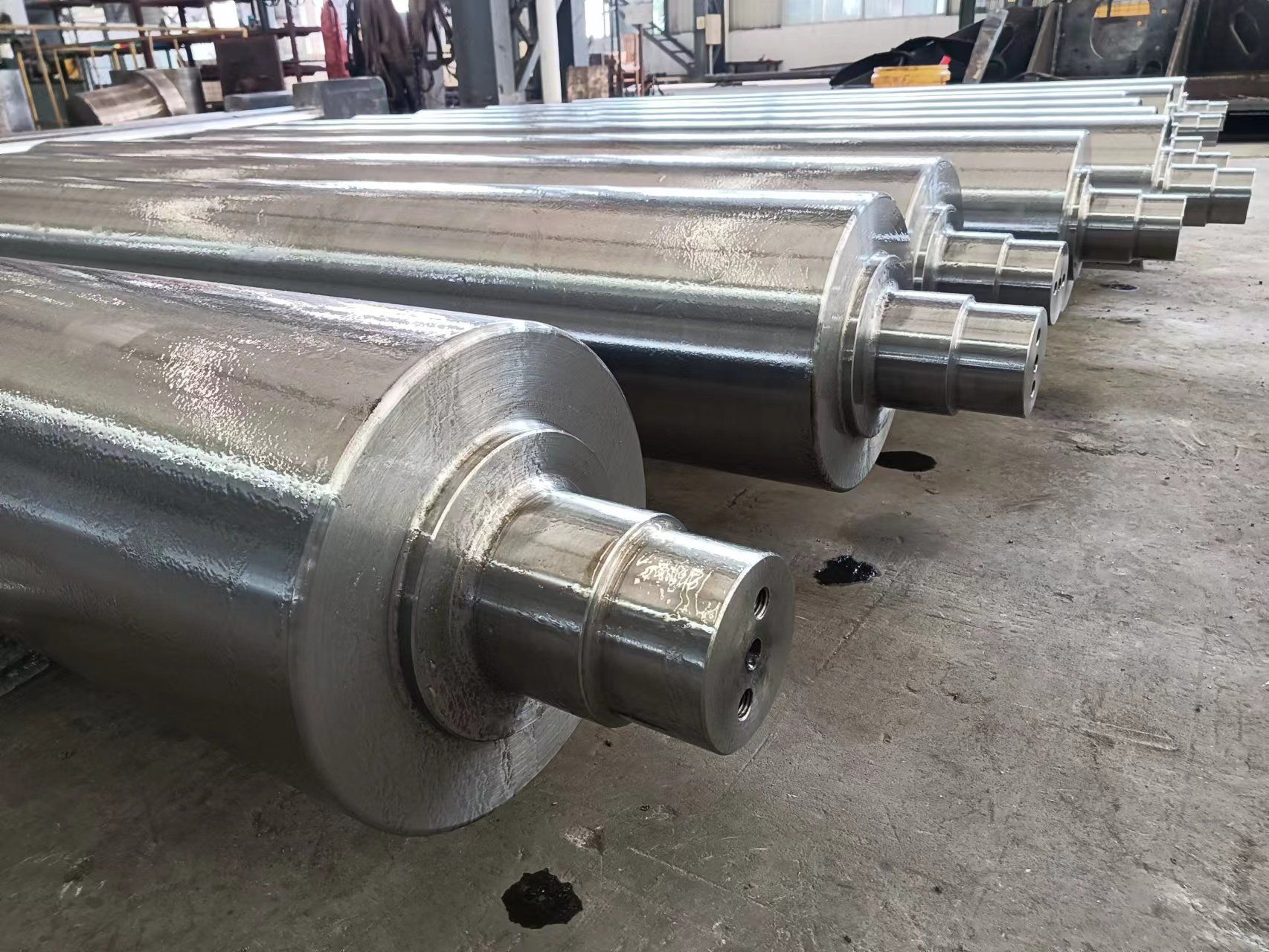
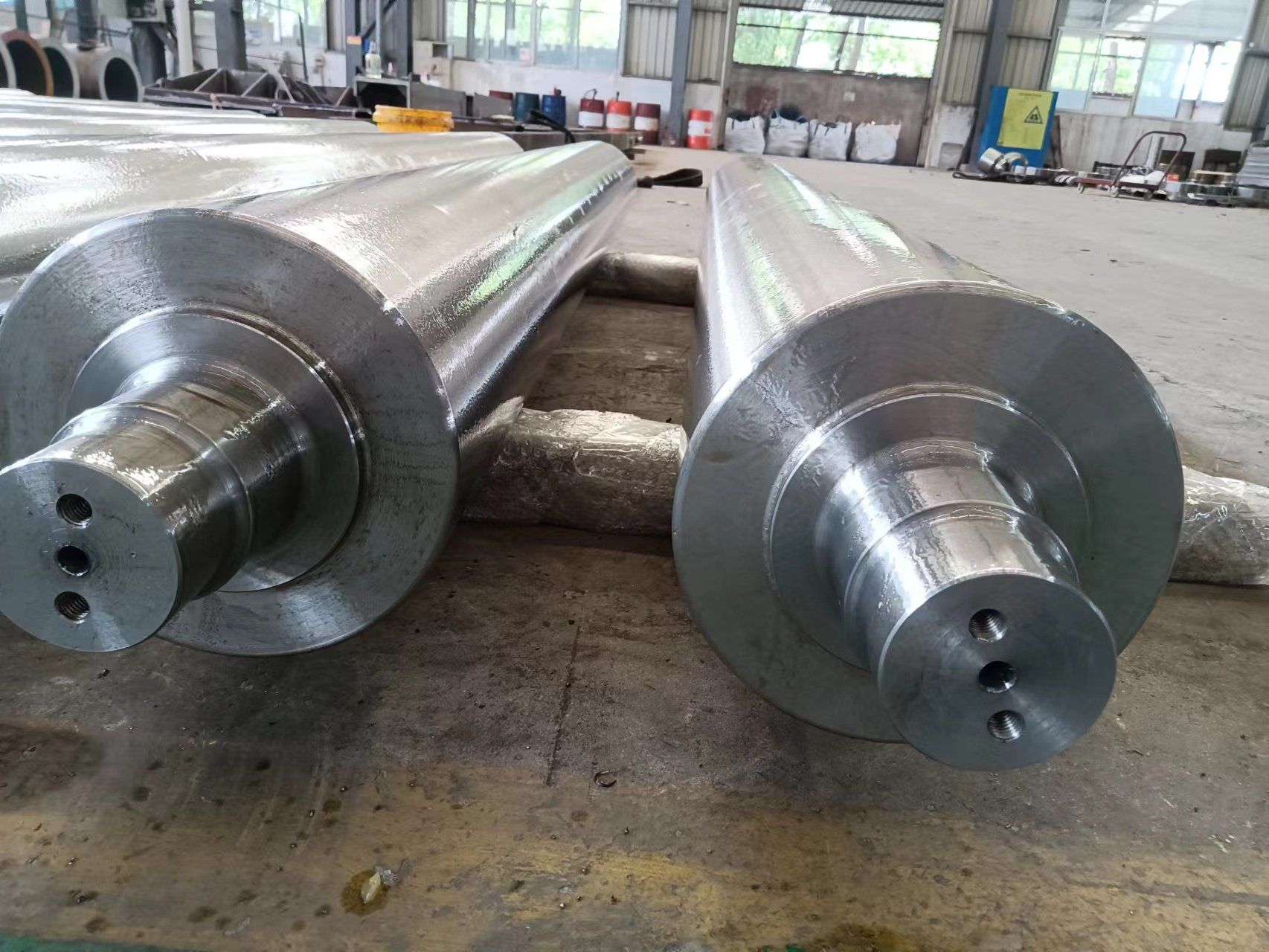
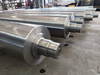
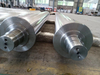
FORGE - R-OD300*L1550
ETERNAL
Product Description
1. Size: OD300*L1550, etc
2. Material: Alloy steel or stainless steel,suh as 40Cr,304/316
3. Heat treatment: Quenching and tempering
4. Surface treatment: Chrome plating
5. Surface hardness: HRC55-62
6. Quenching layer depth: 0.05-0.15mm
Application
Cold rolled strip conveyor: covering processes such as pickling, rolling, annealing, leveling, and finishing, it transports cold-rolled strips of carbon steel, stainless steel, aluminum alloy, and other materials.
High precision material transportation: used for intermediate transportation of cold-rolled products with high surface quality requirements, such as household electrical boards, automotive boards, and precision strips for electronics.
Production line support: Suitable for continuous production lines in cold rolling workshops, including raw material feeding, transitional conveying before finished product winding, and sorting and conveying before stacking.
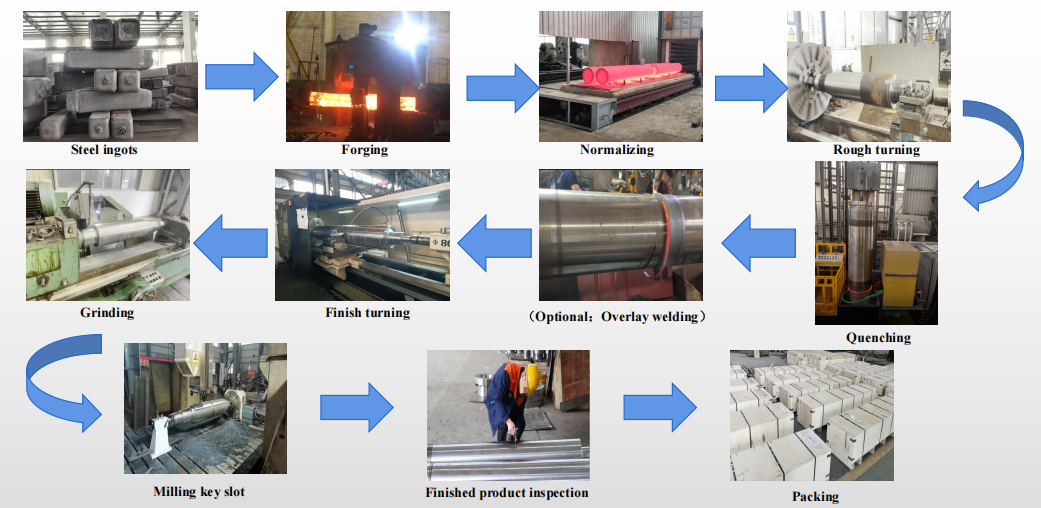
Production Procedure
Feature:
Good wear resistance: The surface of the conveyor roller is usually made of wear-resistant materials, which can maintain stable performance under long-term friction with the conveyor belt, reduce self wear, and also reduce wear on the conveyor belt, extending its service life.
Strong bearing capacity: The conveyor rollers need to have corresponding bearing capacity according to the load requirements of the belt conveyor, and can reliably support the conveyor belt and the conveyed materials to ensure the normal operation of the conveyor.
Simple and compact structure: The structure of the conveyor roller is usually relatively simple, consisting of rollers, shafts, bearings, seals, etc., which is easy to install and maintain, and can reduce the operating costs and maintenance workload of the conveyor
Product Description
1. Size: OD300*L1550, etc
2. Material: Alloy steel or stainless steel,suh as 40Cr,304/316
3. Heat treatment: Quenching and tempering
4. Surface treatment: Chrome plating
5. Surface hardness: HRC55-62
6. Quenching layer depth: 0.05-0.15mm
Application
Cold rolled strip conveyor: covering processes such as pickling, rolling, annealing, leveling, and finishing, it transports cold-rolled strips of carbon steel, stainless steel, aluminum alloy, and other materials.
High precision material transportation: used for intermediate transportation of cold-rolled products with high surface quality requirements, such as household electrical boards, automotive boards, and precision strips for electronics.
Production line support: Suitable for continuous production lines in cold rolling workshops, including raw material feeding, transitional conveying before finished product winding, and sorting and conveying before stacking.
Production Procedure
Feature:
Good wear resistance: The surface of the conveyor roller is usually made of wear-resistant materials, which can maintain stable performance under long-term friction with the conveyor belt, reduce self wear, and also reduce wear on the conveyor belt, extending its service life.
Strong bearing capacity: The conveyor rollers need to have corresponding bearing capacity according to the load requirements of the belt conveyor, and can reliably support the conveyor belt and the conveyed materials to ensure the normal operation of the conveyor.
Simple and compact structure: The structure of the conveyor roller is usually relatively simple, consisting of rollers, shafts, bearings, seals, etc., which is easy to install and maintain, and can reduce the operating costs and maintenance workload of the conveyor


