Views: 0 Author: Site Editor Publish Time: 2025-11-29 Origin: Site


Cr17 martensitic stainless steel has been widely used due to its excellent strength, toughness, and high corrosion resistance. Due to the high alloy content and large cross-sectional size of the finished product, a suitable quenching process should be selected to achieve the best microstructure and mechanical properties of the finished product after quenching and tempering.
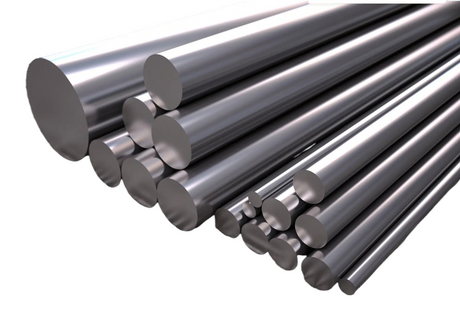
By conducting heat treatment tests on the quenching process of large section Cr17 martensitic stainless steel, the quenching temperature and tempering temperature of Cr17 martensitic stainless steel were explored. Comparison results of hardness, microstructure, and room temperature transverse mechanical properties were obtained through three different quenching processes during the actual quenching and tempering of 500mm forged large round bars. The final decision was made to use water air alternating cooling as the optimal quenching cooling process, and the overall hardness deviation of the steel after one tempering was ≤ 2.5HRC. The core tissue is composed of uniformly tempered martensite and a small amount of residual austenite, and the transverse tensile performance of the steel core at room temperature is the highest. During quenching, alternating water air cooling is used, resulting in the shortest total quenching time and highest production efficiency. As a quenching medium, water has the advantages of low price, no pollution, and stable performance, making it the preferred quenching cooling medium for quenching and tempering plants.