 |


| Quantity: | |
|---|---|
Customized
ETERNAL
Product Description
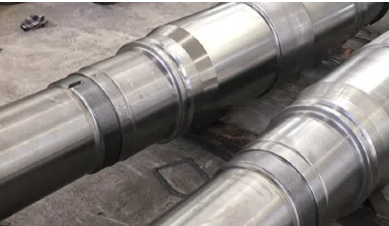
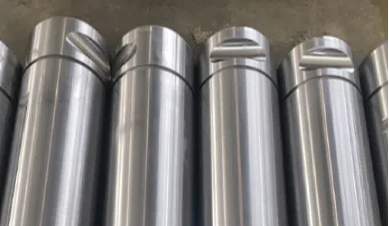
1. Size: Customized
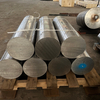
2. Material: Precipitation Hardening Stainless Steel
3. Heat treatment: Annealing,/Solution/Aging
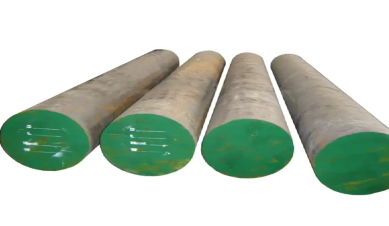
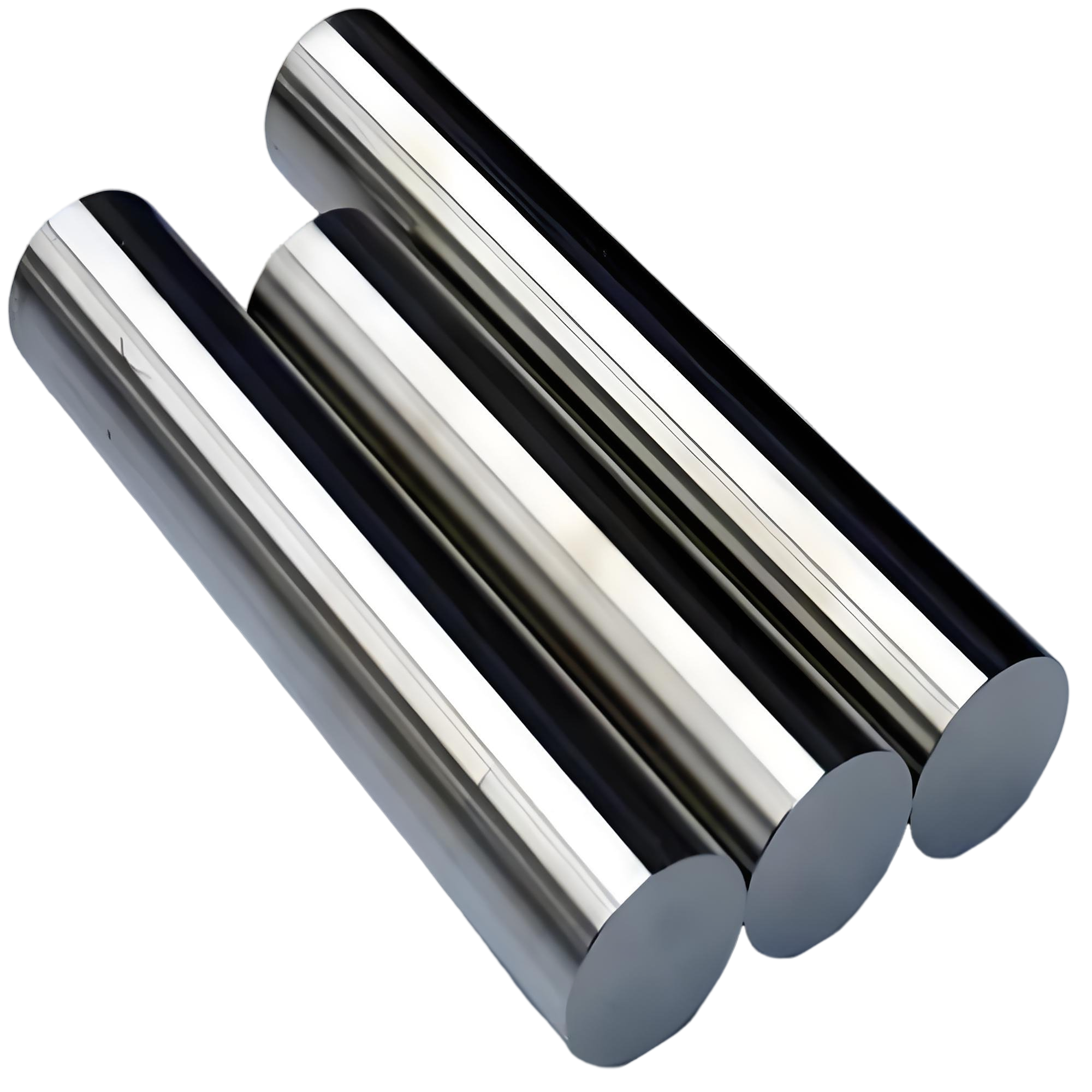
4. Surface treatment: Polish/Black Surface
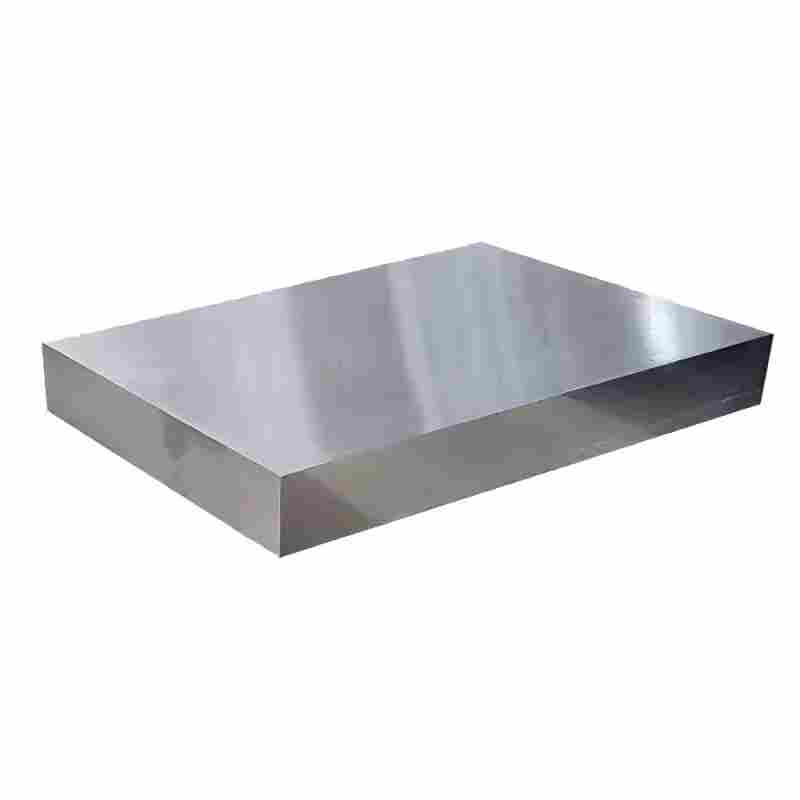
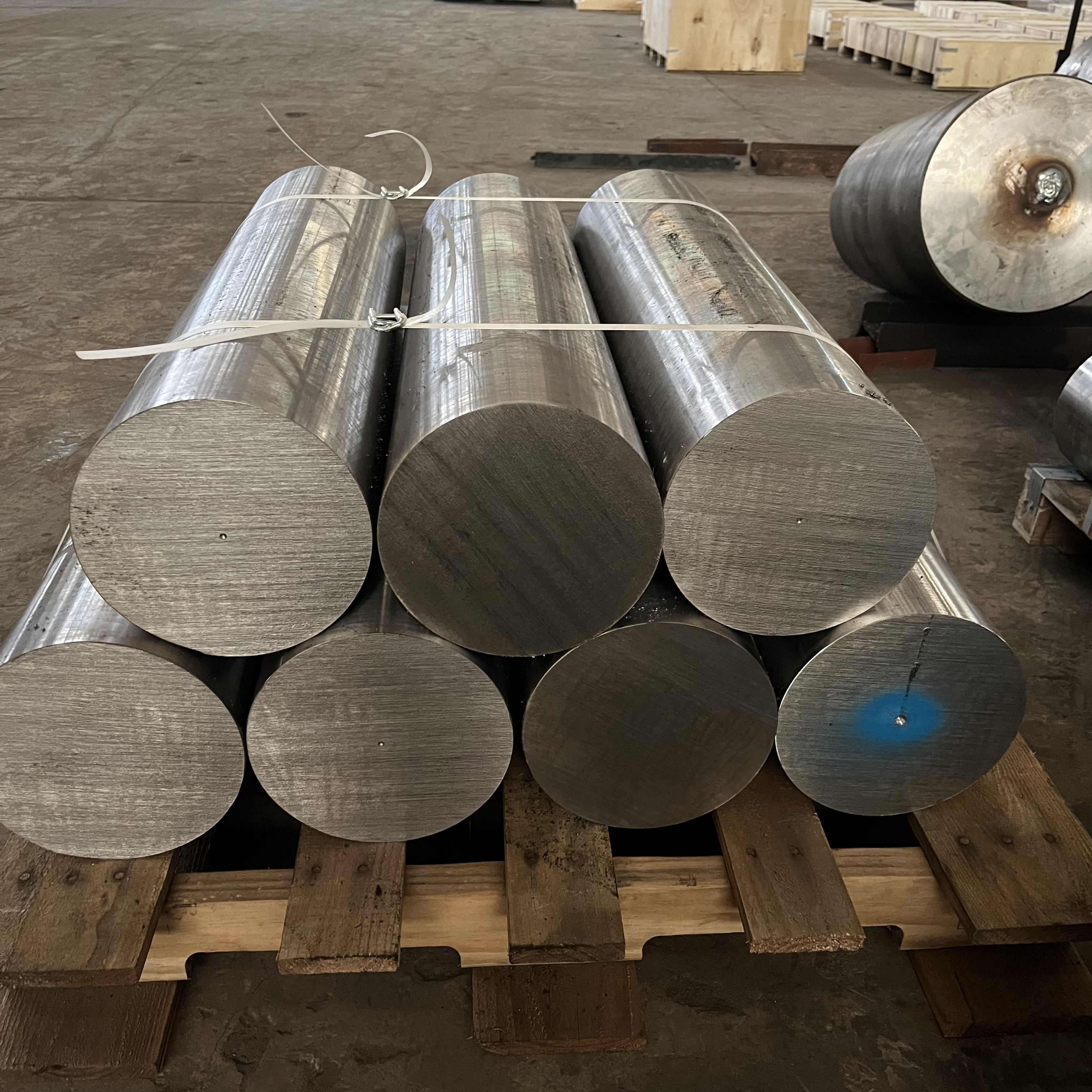
5.Shape:Bar /Plate/Flat
6. Transport packaging: Wooden case
7. Warranty period: One year
Application
Precipitation hardened stainless steel is widely used in the aerospace industry for manufacturing aircraft engine components, landing gear, etc;
In the field of petrochemicals, valves, pump shafts, etc. can be manufactured;
In the field of medical devices, it can be used to manufacture surgical instruments, implants, etc;
It can also be used in the field of mechanical manufacturing to manufacture various high-strength mechanical parts.
Feature
High strength: After precipitation hardening treatment, its strength can be comparable to high-strength alloy steel, with a maximum tensile strength of 1850MPa.
Excellent corrosion resistance: The corrosion resistance is comparable to austenitic stainless steel and can be used in various corrosive environments.
Good processing performance: The characteristic of "soft processing first and then strengthening" allows it to be processed and formed after solid solution treatment, and then reduced in processing cost through aging strengthening.
Good weldability: Welding can be carried out under certain conditions, but attention should be paid to the welding process.
Solution treatment:The heating temperature is between 1020-1040 ℃, and after insulation, it is cooled by water or oil to obtain a uniform austenite structure. At this time, the material hardness is lower and easier to process.
Aging treatment: After solid solution treatment, the material is aged at 480-620 ℃ to precipitate alloy elements, improve strength and hardness. After aging at 480 ℃, the tensile strength of 17-4PH is σ b ≥ 1310MPa.
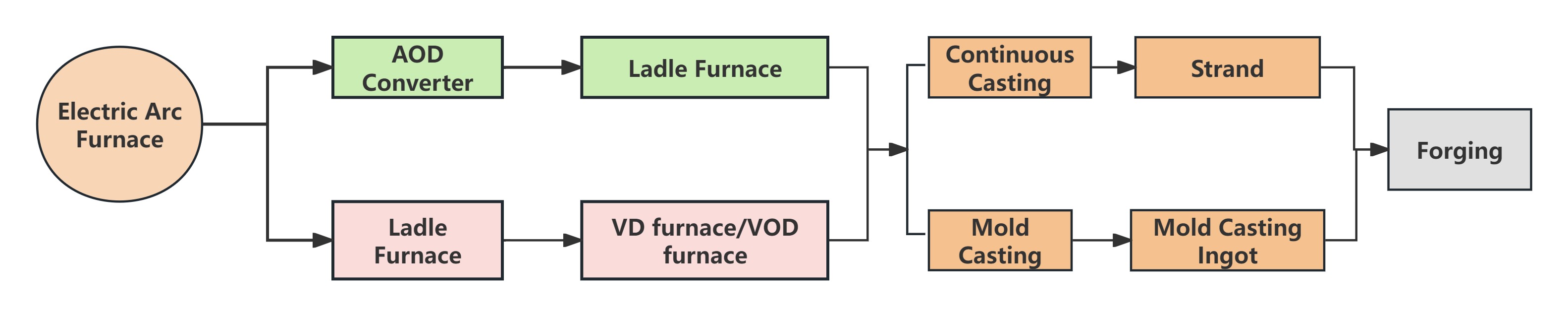
Production Procedure
Steel Grade and Chemical Composition

Product Description
1. Size: Customized
2. Material: Precipitation Hardening Stainless Steel
3. Heat treatment: Annealing,/Solution/Aging
4. Surface treatment: Polish/Black Surface
5.Shape:Bar /Plate/Flat
6. Transport packaging: Wooden case
7. Warranty period: One year
Application
Precipitation hardened stainless steel is widely used in the aerospace industry for manufacturing aircraft engine components, landing gear, etc;
In the field of petrochemicals, valves, pump shafts, etc. can be manufactured;
In the field of medical devices, it can be used to manufacture surgical instruments, implants, etc;
It can also be used in the field of mechanical manufacturing to manufacture various high-strength mechanical parts.
Feature
High strength: After precipitation hardening treatment, its strength can be comparable to high-strength alloy steel, with a maximum tensile strength of 1850MPa.
Excellent corrosion resistance: The corrosion resistance is comparable to austenitic stainless steel and can be used in various corrosive environments.
Good processing performance: The characteristic of "soft processing first and then strengthening" allows it to be processed and formed after solid solution treatment, and then reduced in processing cost through aging strengthening.
Good weldability: Welding can be carried out under certain conditions, but attention should be paid to the welding process.
Solution treatment:The heating temperature is between 1020-1040 ℃, and after insulation, it is cooled by water or oil to obtain a uniform austenite structure. At this time, the material hardness is lower and easier to process.
Aging treatment: After solid solution treatment, the material is aged at 480-620 ℃ to precipitate alloy elements, improve strength and hardness. After aging at 480 ℃, the tensile strength of 17-4PH is σ b ≥ 1310MPa.
Production Procedure
Steel Grade and Chemical Composition